
Tips to Avoid Furniture Assembly Nightmares
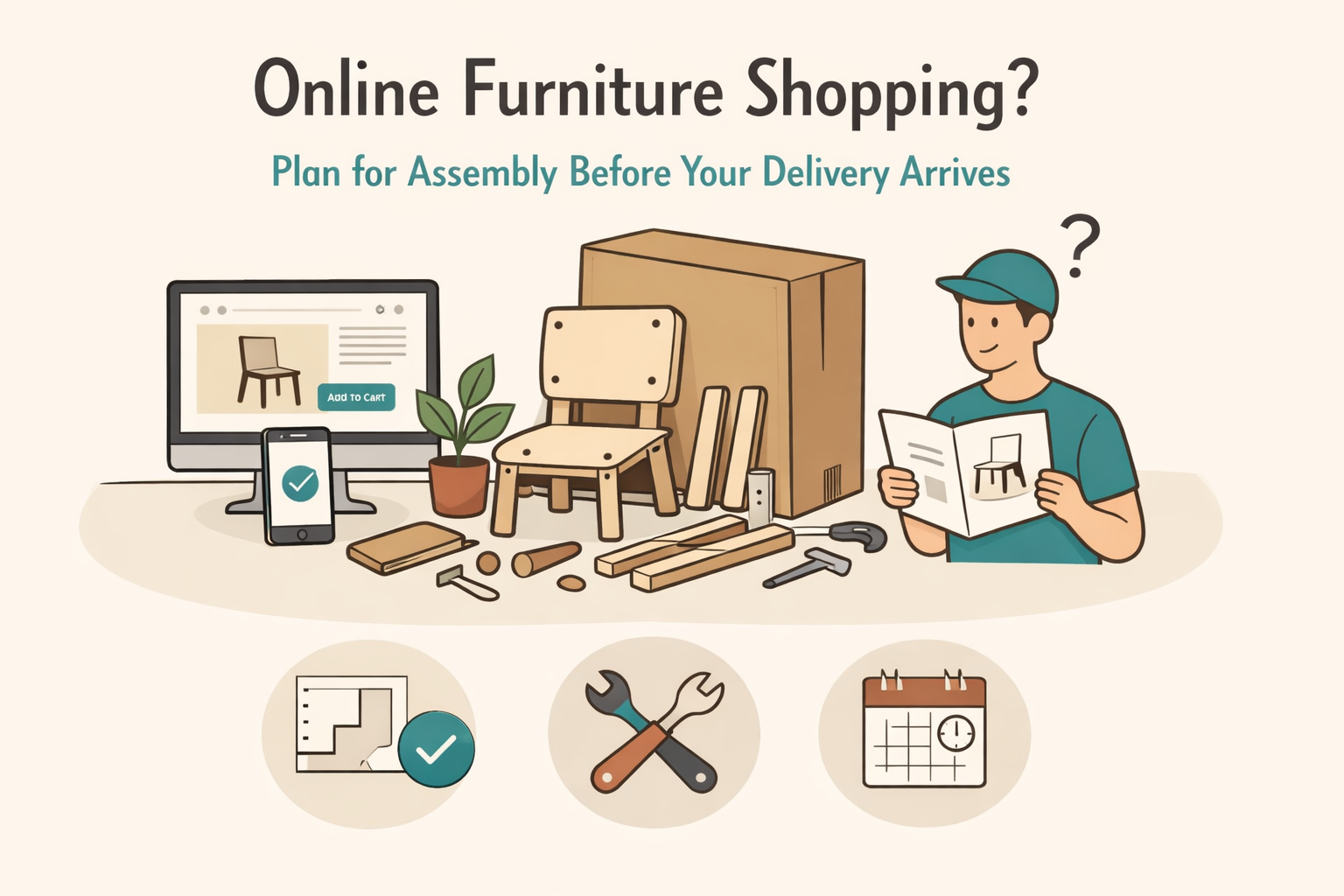
Buying furniture online can feel like magic: you click Add to cart, pay, and a few days later a truck rolls up with boxes full of potential. But there’s a trap that catches out a lot of people: ignoring the assembly until those boxes are already in your hallway. Most flat‑pack pieces ship with hundreds of parts and an Allen key the size of your pinky. If you want a home that looks as good as the pictures, you need a plan long before your delivery arrives.
Know the assembly requirements before you click “Buy”
Online retailers often hide the assembly nightmare behind glossy product shots. Dig deeper:
Read the assembly instructions and reviews before you purchase. Design experts recommend treating the assembly instructions as seriously as the product description. Look for terms like tool‑free assembly or one‑person setup, and whenever possible download the PDF manual to see how difficult the build will be. Reviews on retailer sites or forums often call out poorly drilled holes or missing hardware; they can save you from a regret purchase.
Consider the assembly process when choosing a piece. Professionals urge shoppers to think about how a piece goes together before buying. J.B. Sassano of Mr. Handyman suggests reading testimonials to understand the process. If a project looks beyond your skill set, choose furniture that arrives partially assembled—many items only require attaching a few parts.
Make sure you have the right tools. Don’t assume the cheap hex key tucked into the hardware bag will cut it. Even simple‑looking furniture can demand proper drivers, a quality hammer and a set of Allen wrenches. Assembly guides warn against relying on the tools included with your kit and suggest investing in a basic toolkit.
Be realistic about your abilities. Some pieces are better left to pros. Upholstered bed frames, large dressers and complex units can have hundreds of components and awkward attachment points. Attempting them alone is a good way to strip screws or damage the furniture. If the instructions indicate a two‑person build or you aren’t confident, schedule professional assembly instead.
Prepare your space before the truck shows up
Don’t wait until the delivery driver is at your doorstep to start clearing a path. A little preparation makes assembly go faster and prevents damage:
Clear the workspace and make room. Professional assemblers emphasise starting with a clean, uncluttered area. A tidy workspace reduces distractions and accidents, helps you find tools quickly and simply makes the job go smoother. Remove old furniture, rugs and decor from the target room and ensure there’s enough floor space to lay out all the parts.
Measure doorways, elevators and the assembly room. Before delivery day, measure your entry points and hallways to confirm the boxes will fit. Moving companies warn that you should assess accessibility and clear pathways to avoid delays or damage. If you live in a building with elevators, ensure they’re available and large enough for the furniture.
Prepare power and logistics. Many DIYers use drills or vacuums during assembly, so test nearby outlets or have an extension cord ready. In apartments and condos, coordinate elevator access and parking for delivery vehicles; reserved loading zones prevent last‑minute scrambling.
Keep children and pets away. Hardware, sharp tools and heavy components can quickly turn dangerous. Safety guides recommend creating a distraction‑free zone to protect kids and animals during assembly.
Plan the final location. Assemble heavy pieces in the room where they will live. Home experts note that moving a fully built armoire through a narrow hallway can scratch walls and floors. Having the right space ready saves you from lifting a fully built unit across the house.
Inspect and organise as soon as the boxes arrive
Once your furniture shows up, don’t rip into the packaging like a kid on Christmas morning. A systematic approach prevents headaches:
Inspect the packaging for damage. Delivery services may not be gentle. Immediately check the boxes and the furniture pieces for dents or scratches and report any issues before the drivers leave.
Open boxes carefully and use the packaging for protection. Sharp box cutters can gouge finished surfaces. Professionals recommend opening boxes cautiously and using the cardboard to protect floors while you work.
Inventory all parts and hardware. Before assembling, lay out every piece and group similar parts together. Experts advise identifying all hardware, nuts and bolts and noting their orientation. Sorting components into cups or bags stops tiny screws from rolling away.
Read the instructions—twice. Yes, it’s tedious, but the manual is your roadmap. Skipping steps or jumping ahead is a recipe for misaligned panels and stripped screws. Home‑assembly pros insist on reading the entire instruction set before starting and rechecking steps as you go. Many manufacturers provide video tutorials, so watch them if you’re a visual learner.
Assembly: take your time or call in a pro
With the prep work done, you’re ready to build. A few rules separate a solid build from a sagging regret:
Work systematically. Start with the base or frame and build upwards. Don’t skip ahead or tighten hardware completely until all parts are in place; it’s easier to make adjustments when bolts are still loose.
Pay attention to orientation and details. The “right” and “left” sides are usually mirror images, and misplacing a finished edge will ruin the look. Pros advise checking the orientation of parts and looking for variations in hole spacing. Use washers where specified and tighten screws evenly to prevent wobble.
Anchor heavy furniture for safety. The U.S. Consumer Product Safety Commission warns that a quarter of home accidents involve furniture, and heavy items like dressers must be anchored to the wall. Don’t overlook the anti‑tip straps included in your kit.
Ask for help when needed. Large wardrobes and wall cabinets often require two people for safe assembly. Don’t try to be a hero; a helper can keep panels aligned and prevent injury. If the project is beyond your skill or time, hire a professional assembler. Their experience and tools will save you hours of frustration and ensure a safe, level result.
Final thoughts
The convenience of online furniture shopping doesn’t erase the realities of assembly. Treat the assembly process as part of the purchase—not an afterthought. By reading instructions before you buy, preparing your space and tools, inspecting all parts, and assembling thoughtfully (or hiring a pro), you’ll turn those flat‑pack boxes into sturdy, beautiful furniture without the meltdowns and bruised knuckles. Skipping these steps is just laziness disguised as optimism. Plan ahead, do it right, and if you hit your limit, let a professional like 6ix Assembly handle the heavy lifting.
