
Wood Gazebo Assembly in Toronto: What Homeowners Should Know
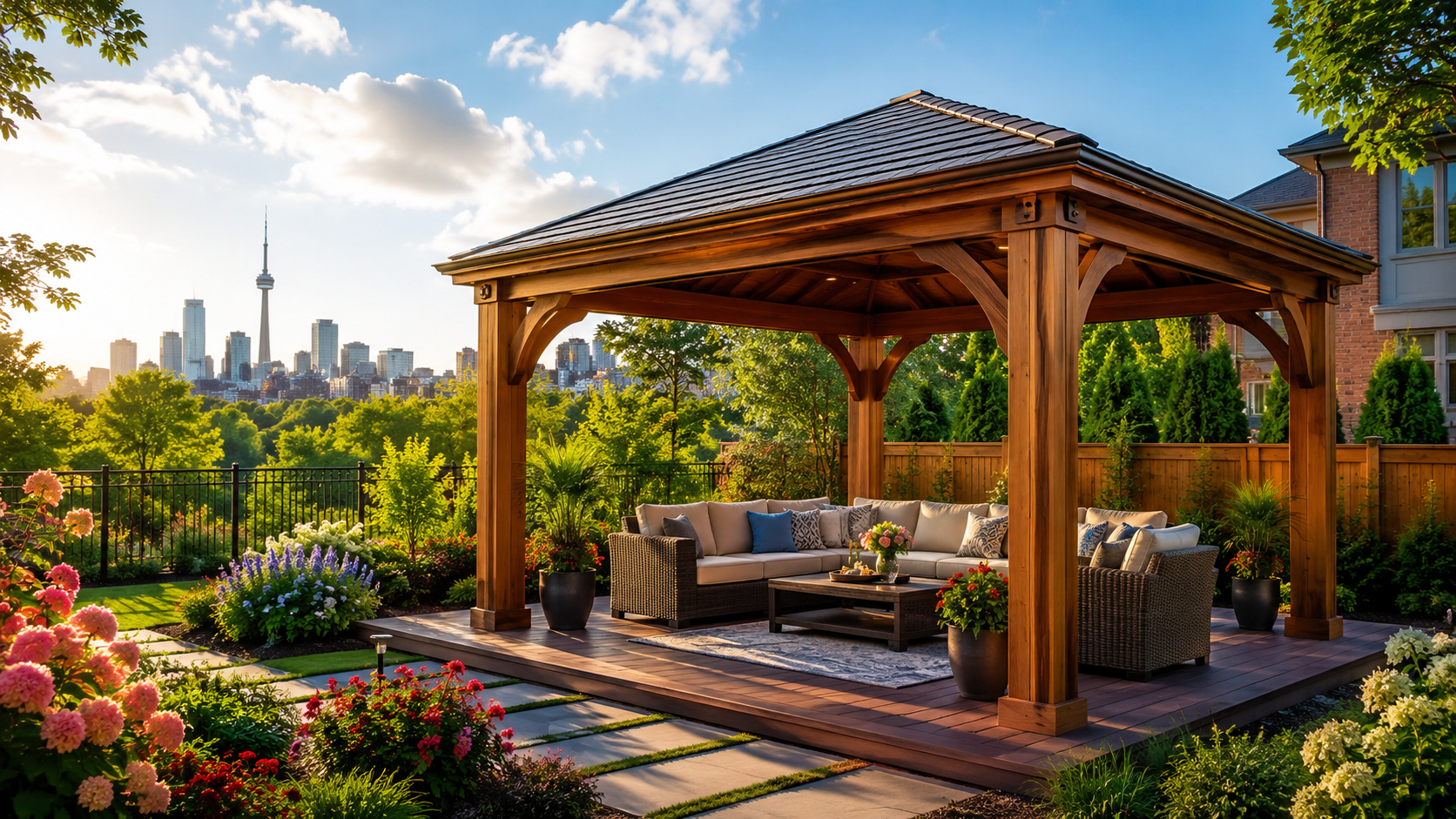
A wood gazebo can completely change a backyard. It gives you shade, structure, privacy, and a more finished outdoor space. But in Toronto, gazebo assembly is not just about opening the boxes and tightening bolts.
The biggest mistakes usually happen before the first piece is assembled.
Homeowners buy the gazebo before checking the space. They assume the base is good enough. They forget about anchoring. They do not think about permits, setbacks, tree protection, or utility locates. Then the project becomes stressful, expensive, or unsafe.
If you are planning to install a wood gazebo in Toronto or the GTA, here is what you should know before getting started.
A Wood Gazebo Is a Real Outdoor Structure
A wood gazebo is not the same as a temporary canopy or basic shade tent. Most wood gazebos are heavy outdoor structures with posts, beams, roof panels, hardware, and permanent anchoring requirements.
That means the setup needs to be treated properly.
A quality gazebo installation should account for:
Proper placement
A level and stable base
Accurate layout
Safe lifting
Square posts and beams
Correct roof alignment
Strong anchoring
Weather exposure
Long term maintenance
This is especially important in Toronto, where outdoor structures deal with snow, freeze and thaw cycles, wind, rain, humidity, and major seasonal temperature swings.
Do You Need a Permit for a Wood Gazebo in Toronto?
This is one of the first things homeowners should check.
In Toronto, a building permit is generally required for an accessory structure larger than 10 square metres. A permit may also be required if the structure is attached to the house or includes plumbing.
Some small detached sheds may be exempt under certain conditions, but homeowners should not assume that the same rule automatically applies to a gazebo. A roofed gazebo can be treated differently depending on size, design, location, and use.
A 10 by 12 gazebo, for example, is roughly 11.15 square metres. That puts it over the 10 square metre threshold, which means it may require permit review.
Before buying a gazebo kit, check with the City of Toronto or confirm your property’s zoning details.
Zoning, Setbacks, and Lot Coverage Matter
Even if a permit is not required, zoning rules can still apply.
Toronto’s residential zoning rules may affect:
How close the gazebo can be to your house
How close it can be to a fence or property line
Whether it can be placed in the front yard
Maximum height
Maximum accessory structure coverage
Distance from lanes or other structures
Overall lot coverage
This is where people get caught. They see a gazebo that fits physically in the backyard, but they do not check whether it fits legally within the allowed setbacks and lot coverage.
In many Toronto residential zones, accessory structures may be limited by height, distance from the main house, and total coverage on the lot. If the gazebo is larger than 10 square metres or taller than certain limits, the rules become more important.
There is no single maximum gazebo size that applies to every Toronto property. The right answer depends on your lot, zone, existing structures, and where the gazebo will sit.
Check the Real Footprint, Not Just the Advertised Size
Gazebo product names can be misleading.
A 12 by 14 gazebo may refer to the roof size, not the exact post to post base footprint. The roof overhang may be larger than the base. The posts may sit differently than expected. The finished structure may need more clearance than the product name suggests.
Before ordering, check:
Post to post dimensions
Overall roof dimensions
Required clearance around the structure
Height
Anchoring points
Distance from fences, house walls, trees, wires, and other structures
If the location is tight, do not guess. Measure properly before the boxes arrive.
Your Base Matters More Than You Think
A wood gazebo is only as good as the surface it sits on.
Common base options include:
Concrete patio slabs
Concrete piers or sonotubes
Helical piles
Existing deck structures
Paver bases, only when appropriate
For most heavy wood gazebos, a weak or uneven base is asking for problems. If the surface is not level, the posts may not sit correctly. If the structure is not square, the roof can become difficult to align. If the base moves during freeze and thaw cycles, the gazebo can shift over time.
A concrete slab can work well if it is level, solid, and thick enough. Concrete piers or helical piles can be better for permanent installations, especially on grass or uneven yards.
A loose paver base may be fine for light seasonal structures, but it is usually not ideal for a heavy roofed wood gazebo unless the product specifically allows it.
Anchoring Is Not Optional
A wood gazebo must be anchored properly. It is not just about keeping it from moving slightly. A roofed gazebo can catch wind. Once the roof is installed, the structure has a large surface area that can act like a sail.
Most manufacturer instructions require anchoring to a suitable surface. Some warranty coverage may also depend on proper anchoring.
Anchoring can vary depending on the base:
Concrete slabs may need concrete anchors
Deck installations may need structural screws or bolts into suitable framing
Pier systems may need brackets or post bases
Some surfaces require specialized fasteners depending on the manufacturer and structure
Do not assume the kit includes the correct anchors for your exact surface. Many gazebo kits require separate mounting hardware.
Utility Locates Before Digging
If your gazebo requires digging for piers, posts, or footings, utility locates should be completed first.
Ontario One Call locates are important even if you are digging on private property. Gas, electrical, telecom, water, irrigation, and other underground services can run through areas homeowners do not expect.
Do not dig blind. It is not worth the risk.
Watch for Trees and Roots
Toronto has tree protection rules, and this can matter if your gazebo is near mature trees.
Tree roots can extend far beyond the visible trunk. Digging near protected trees can create issues, especially if the work affects major roots. Toronto protects City trees and private trees over certain sizes, so homeowners should check before planning footings or excavation near trees.
If your gazebo location is close to a large tree, do not ignore it. It may affect where the gazebo can safely and legally go.
Cedar, Pressure Treated Wood, and Other Material Options
Most homeowners looking for a wood gazebo are choosing between cedar, pressure treated wood, or a pre manufactured wood kit.
Cedar Gazebos
Cedar is one of the most popular premium choices for backyard structures. It has a warm natural appearance and good natural durability. Many higher end gazebo kits use cedar or cedar style lumber because it looks better than basic treated lumber and fits well in finished backyard spaces.
Cedar still needs maintenance. It is not magic. Sun, rain, snow, and moisture will affect the finish over time.
Pressure Treated Wood Gazebos
Pressure treated wood is usually more budget friendly. It can perform well outdoors when the correct lumber is used for the correct exposure. The key is making sure the wood is rated properly, especially anywhere close to ground contact or constant moisture.
Pressure treated wood may not have the same premium look as cedar, but it can be practical for custom builds or cost sensitive projects.
Composite and Low Maintenance Options
Composite materials can reduce staining and sealing, but they are not always a direct replacement for a full traditional wood gazebo frame. Composite makes more sense for nearby decking, trim, privacy features, or pergola style systems.
For a true wood gazebo look, cedar and treated lumber are still the main options.
Wood Gazebo Kits vs Custom Builds
Most Toronto homeowners are dealing with one of two project types.
Pre Manufactured Gazebo Kits
These are common from brands like Yardistry, Sojag, Sunjoy, Domi, and other outdoor structure manufacturers.
They usually come with pre cut pieces, hardware, roof panels, posts, beams, and instructions. They are more predictable than a custom build, but they are still labour intensive.
A large gazebo kit can involve:
Heavy boxes
Hundreds of parts
Multiple roof sections
Precise alignment
Multiple installers
Full day assembly
Permanent anchoring
The word kit makes it sound easier than it is. That is the trap.
Custom Wood Gazebos
Custom wood gazebos offer more design flexibility, especially for unusual yards or higher end outdoor spaces. But they also require more planning, carpentry, layout work, and often more attention to drawings, zoning, and structural details.
For most homeowners, a quality pre manufactured wood gazebo kit is the more practical option.
How Long Does Wood Gazebo Assembly Take?
Assembly time depends on size, model, access, base condition, weather, and crew size.
A small or mid size gazebo may take most of a day with the right crew. Larger wood gazebos can take a full day or spill into a second day depending on complexity.
Common time factors include:
How many boxes there are
Whether boxes are near the installation area
Whether parts are already unpacked
Access from driveway to backyard
Whether the base is level and ready
Roof complexity
Number of installers
Weather conditions
Anchoring surface
A 12 by 14 wood gazebo is not a quick handyman job. It is heavy, repetitive, and alignment sensitive. The roof portion alone can take serious time.
Why DIY Gazebo Assembly Goes Wrong
DIY gazebo assembly can work for some homeowners, but it is often underestimated.
The most common problems include:
Buying before checking permit or zoning rules
Measuring the product size incorrectly
Starting on an uneven base
Not checking diagonal measurements
Posts not being square
Roof panels not lining up
Missing or mixed hardware
Using the wrong anchors
Trying to lift heavy beams with too few people
Working in windy weather
Leaving the structure unanchored
The issue is not that every individual step is impossible. The issue is that small mistakes stack fast. Once the frame is out of square, the roof becomes harder. Once the roof is misaligned, panels do not sit properly. Once anchors are wrong, the entire structure is compromised.
Best Time of Year to Install a Wood Gazebo in Toronto
The best months for gazebo assembly in Toronto are usually late spring through early fall.
May, June, September, and October are often ideal because the weather is more manageable. July and August can still work, but heat, thunderstorms, and installer fatigue can slow the job down.
Winter installation is possible in some cases, especially on an existing concrete slab, but it is usually less ideal. Snow, ice, frozen ground, short daylight, and unsafe ladder conditions can make the work harder.
If the gazebo requires base work, piers, or excavation, plan ahead before the ground freezes.
Maintenance for a Wood Gazebo
A wood gazebo needs maintenance if you want it to last.
At least once a year, homeowners should:
Wash off dirt and mildew
Inspect anchors
Check post bases
Tighten hardware
Look for roof leaks or loose fasteners
Touch up stain or finish where needed
Clear leaves and debris from the roof
Make sure water drains away from the posts
Remove heavy snow buildup during winter
Store seasonal accessories like mosquito netting if required
Cedar and pressure treated wood both last longer when moisture is managed properly. The goal is simple: keep water moving away from the structure and do not let small issues sit for years.
How Much Does Wood Gazebo Assembly Cost in Toronto?
Pricing depends on the size, structure, surface, access, and whether anchoring and packaging removal are included.
As a rough guide, professional wood gazebo assembly in Toronto can range from around $1,200 to $3,000 plus for many common residential gazebo kits, with larger or more complex structures costing more.
Smaller gazebos may be closer to the lower end. Larger cedar hardtop gazebos, 12 by 14 models, 12 by 16 models, and heavy timber style structures require more labour and should be priced accordingly.
The total project cost may also include:
The gazebo kit itself
Delivery
Base preparation
Concrete work or piers
Anchoring hardware
Permit fees if required
Electrical work if adding lights or fans
Packaging removal
Old structure removal
Professional assembly
Homeowners should be careful comparing prices. A low quote that does not include anchoring, cleanup, proper crew size, insurance, or warranty is not the same service.
When You Should Hire a Professional
Hiring a professional makes sense if:
The gazebo is larger than 10 by 10
The structure has a hard roof
The boxes are extremely heavy
The yard has limited access
The base needs careful layout
The install requires concrete anchoring
The structure is close to fences, trees, or the house
You want the job completed safely and properly
You do not have multiple strong helpers available
You do not want to lose an entire weekend fighting with instructions
A professional gazebo assembly company should bring the right tools, know how to stage the parts, keep the structure square, manage the roof installation safely, and anchor the gazebo properly.
What to Send for an Accurate Gazebo Assembly Quote
To get an accurate quote, send:
Gazebo brand and model
Product link
Gazebo size
Photos of the boxes
Photos of the installation area
Your address or postal code
Surface type, such as concrete, deck, patio stones, grass, or pavers
Whether the ground or base is level
Whether the boxes are near the final install area
Whether anchoring is required
Any access issues from driveway to backyard
This helps avoid vague pricing and makes the quote more accurate.
Why Homeowners Choose 6IX Assembly for Wood Gazebo Assembly
At 6IX Assembly, we handle gazebo assembly and installation across Toronto and the GTA with a premium, detail focused approach.
Wood gazebos are not something we rush. These structures need to be square, level, secure, and properly anchored. A rushed gazebo install can look fine for a day and become a problem later.
Our gazebo assembly service includes professional assembly, proper positioning, anchoring when suitable, cleanup, packaging removal, fully insured service, and our 12 month workmanship warranty.
We work with common gazebo brands and outdoor structure kits, including cedar gazebos, hardtop gazebos, backyard pavilions, and large residential outdoor structures.
Final Thoughts
A wood gazebo can be one of the best upgrades you make to your backyard, but only if it is planned and installed properly.
Before buying, check the size, base, zoning, access, anchoring requirements, and whether permits or locates may apply. Do not assume every backyard can accept every gazebo. Do not assume the advertised size tells the full story. And do not treat anchoring like an optional final step.
A good gazebo should feel solid, look properly aligned, and be ready for Toronto weather.
If you already purchased a wood gazebo or are planning one for your backyard, contact 6IX Assembly for a professional quote.
6IX Assembly
Professional Gazebo Assembly in Toronto and the GTA
Fully insured service
12 month workmanship warranty
Complete packaging removal and cleanup
Phone: (416) 518 0289
Email: service@6ixassembly.ca
FAQ
Do I need a permit for a wood gazebo in Toronto?
It depends on the size, structure, placement, and whether it is attached or includes plumbing. In Toronto, accessory structures larger than 10 square metres may require a permit. Always confirm before buying or building.
Can a gazebo be installed on patio stones?
Sometimes, but it depends on the gazebo and the base. Heavy roofed wood gazebos need a stable, level, and suitable surface. Loose or shifting patio stones are usually not ideal unless the manufacturer allows it and proper anchoring is possible.
Does a wood gazebo need to be anchored?
Yes. A roofed gazebo should be anchored properly to a suitable surface. Anchoring helps protect the structure from movement, wind, and long term stability issues.
How long does gazebo assembly take?
Most wood gazebo assemblies take several hours to a full day with the right crew. Larger or more complex models can take longer, especially if the roof system is heavy or the site requires extra preparation.
What is the best base for a wood gazebo?
A level concrete slab, concrete piers, sonotubes, or helical piles are usually stronger options for permanent wood gazebos. The best base depends on the size of the structure, soil conditions, and manufacturer requirements.
Can 6IX Assembly remove the packaging after assembly?
Yes. 6IX Assembly includes complete packaging removal and cleanup with professional gazebo assembly service.
