
Shed Assembly 101: DIY vs Professional – What You Need to Know
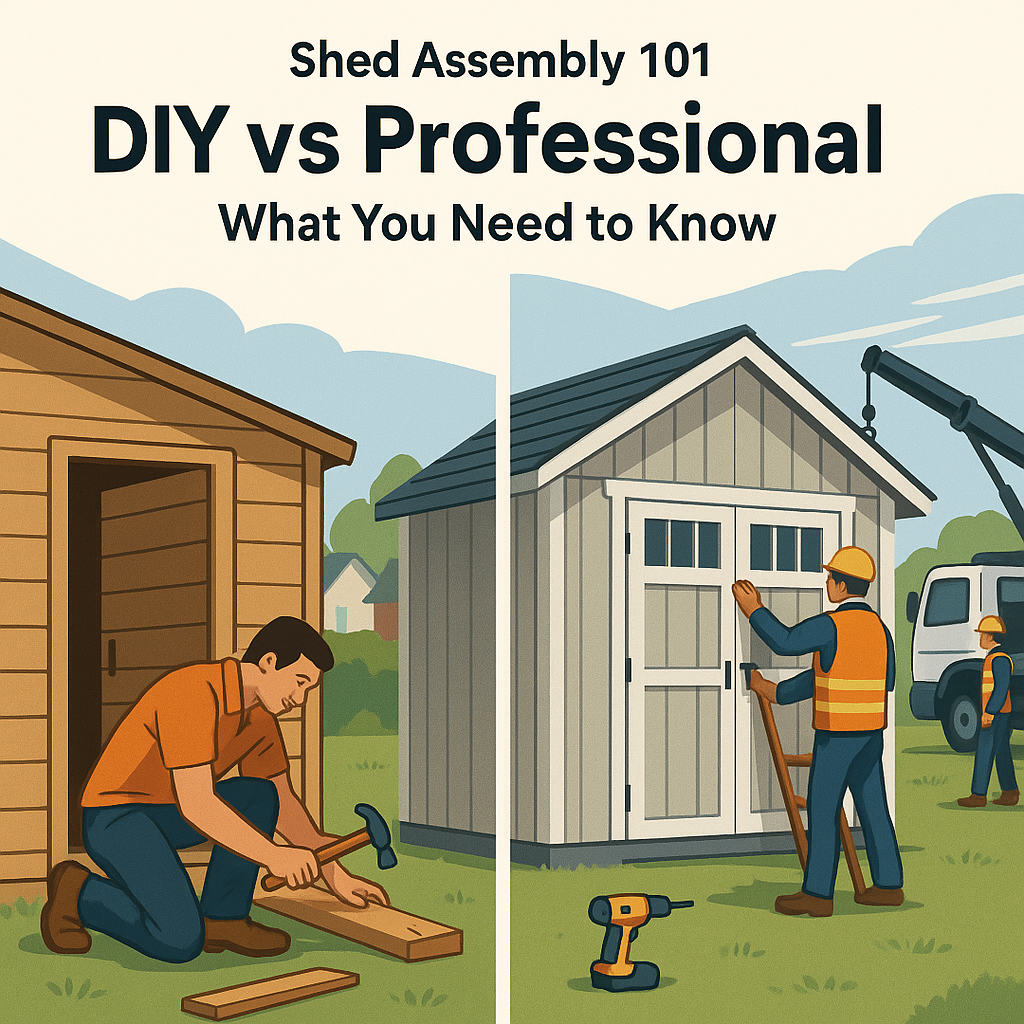
Backyard sheds have become more than a place to hide a lawnmower. For Toronto homeowners they can function as workshops, craft studios or even mini-offices. But the decision of how to get that structure standing—doing it yourself or hiring a professional installer—can make the difference between a valuable investment and an expensive headache. This guide unpacks planning, permits, preparation and the blunt reality of DIY versus professional assembly so you can make the choice with eyes wide open.
Permits, Planning and Site Preparation
Before you even think about swinging a hammer or signing a contract, you need to get your legal and practical ducks in a row:
Know your permit requirements. In Toronto and most Ontario municipalities, any shed 15 m² (161 ft²) or larger requires a building permit. Smaller sheds used purely for storage and under three metres in height often don’t need a permit, but local zoning rules still apply. If you add plumbing, attach the shed to your house or place it too close to your neighbour’s property line, you will almost certainly need approval.
Check setbacks and bylaws. Many municipalities demand that sheds be 5–15 feet from rear or side property lines. Violating setbacks can mean fines or a forced teardown. Always confirm with local building departments and, if you’re under a homeowners’ association, check their restrictions as well.
Pick the right location. Low‑lying or swampy ground invites rot, mildew and flooding. Choose a high, well‑drained spot to keep your shed dry and extend its life.
Level and prepare the base. A sloped or uneven surface puts stress on your shed’s frame. Don’t just drop concrete blocks on the ground; they settle unevenly over time and invite critters. A properly levelled gravel foundation distributes weight evenly, promotes drainage and discourages burrowing animals. Leave at least 12 inches of extra base on all sides to prevent rain splash and weed growth, and lay down a weed‑barrier fabric before adding gravel.
Plan ahead for utilities. Adding electricity or plumbing later requires trenching and potentially additional permits. If you think you’ll want lights, insulation or climate control, factor these in now.
Skipping these steps because “it’s just a small shed” is the fastest route to leaks, mould, neighbour complaints or a violation notice. Proper preparation isn’t glamorous, but it’s non‑negotiable whether you DIY or hire a pro.
The Real Costs of Building a Shed
Shed prices swing wildly depending on size, materials and whether you build it yourself or hire help.
Material and size considerations
Prefab sheds: Pre‑made kits run $10–$40 per square foot. Small 8 × 10 ft units start around $1,000–$2,500. Medium 10 × 12 ft to 12 × 16 ft models fall between $3,000 and $7,500. Large 16 × 20 ft structures or bigger easily hit $10,000–$20,000 before you add upgrades.
Custom builds: A bespoke shed costs $30–$150 per square foot. High‑end materials, complex rooflines or finished interiors can push costs well above $15,000.
Hidden expenses
Many DIYers only tally up lumber and nails and forget the extras:
Labour value: Your time has a cost. DIYers often spend several weekends or months on a project that professionals can complete in a day. If you’re taking time off work, factor in lost wages.
Tools and equipment: Nail guns, power saws, levels and earth‑moving equipment aren’t cheap. If you don’t already own them, you’ll either have to buy or rent.
Site work: Clearing and levelling land, pouring a concrete or gravel pad and installing footings can add $500–$4,800 depending on soil conditions.
Permits and inspections: Building permits vary by municipality but typically range from $50 to over $500. Inspections may be required before you can use your shed.
Upgrades: Windows, doors, insulation, electrical and plumbing quickly inflate the price. Basic windows run $150–$300 each, double doors start around $500, and running electricity can cost $500–$2,000.
The “cheap shed” myth evaporates fast when you consider these factors. Don’t be fooled by the price tag of a kit—account for everything you’ll need to finish the job properly.
DIY Shed Assembly
Advantages
Lower upfront cost: If you already own tools and know where to source materials, a DIY kit can be cheaper than hiring a crew. Prefab packages start under $1,000, and you avoid labour charges.
Personal satisfaction: Building your own shed can be deeply rewarding. There’s pride in seeing a finished structure and knowing your hands put it together.
Flexible timeline: Working at your own pace means you can spread the project over weekends or evenings to fit your schedule.
Drawbacks
Time‑intensive: Don’t underestimate the time commitment. A small shed might consume multiple weekends; a larger workshop could drag on for months. Time is money, especially if you’re taking time away from work or family.
Skill and tools required: Shed kits assume you understand carpentry, roofing, and sometimes even basic electrical. Lacking experience increases the risk of mistakes like mis‑framed walls, crooked doors or leaky roofs.
Hidden costs: Renting tools, buying materials you forgot, fixing errors and paying permit fees eat into any initial savings.
Quality and safety risks: Improperly built sheds can sag, leak or even collapse under snow loads. Mistakes could void manufacturer warranties or violate building codes, forcing costly repairs or rebuilds.
If you’re an experienced DIYer who enjoys carpentry and has the patience to work methodically, assembling a simple shed yourself can be a fulfilling project. If you’re inexperienced or trying to save a few bucks without understanding the complexities, you’re more likely to end up with a substandard structure and a mountain of frustration.
Professional Shed Assembly
Advantages
Expertise and experience: Professional installers assemble sheds day in, day out. They know how to square walls, secure roof trusses, anchor foundations and handle unforeseen issues. Their craftsmanship translates into a solid, weather‑tight structure.
Time savings: A crew can erect a prefab shed in a few hours or a custom one in a couple of days. Hiring pros frees up your weekends for something other than battling warped boards.
Warranty protection: Many shed manufacturers require professional installation to honour warranties. Skilled labour also reduces the likelihood of structural faults that could void warranty coverage.
Compliance with codes: Professionals understand local building codes, setbacks and permit requirements. They’ll assemble your shed so it passes inspection and won’t trigger a legal nightmare down the road.
Stress‑free process: A reputable installer handles the heavy lifting, logistics and problem‑solving. You prepare the site and they deliver a finished shed ready to use.
Drawbacks
Higher upfront cost: Hiring professionals means paying for labour. On average, professional assembly costs around $3,500, but complex builds can climb much higher. For small sheds, labour alone typically ranges from $1,000 to $3,000, and rates increase for larger or intricate designs.
Less personal involvement: You won’t get the hands‑on experience of building it yourself. If you’re seeking that sense of accomplishment, professional assembly may feel less satisfying.
Scheduling: You’ll need to coordinate with the installer’s schedule and may have to wait for an available slot, especially during peak construction seasons.
Professional assembly isn’t about cutting corners; it’s about ensuring your shed is built right the first time. When you consider the cost of your own time, potential mistakes and the value of a durable structure, the price difference often becomes easier to justify.
How to Choose Between DIY and Professional
Ask yourself the following questions:
Do you have the skills? Honest self‑assessment is key. If you’ve never framed a wall or installed a roof, a shed project may be more than you can handle.
How complex is the design? Simple, small sheds are more DIY‑friendly. Large, multi‑room, insulated or wired sheds demand professional skills.
What’s your time worth? Can you afford to devote weekends over several months? If not, paying a pro saves more than money.
What are the long‑term stakes? A poorly built shed can leak, sag, damage tools or even collapse. Cutting corners now could cost more later.
Do you need a warranty? Professional installation often preserves manufacturer warranties, which protect your investment.
What does local law require? If your municipality mandates licensed installation or inspections, DIY might not even be an option.
For many homeowners, a hybrid approach makes sense: prepare the site yourself and hire professionals for the assembly. This lets you save on basic labour while ensuring the structure itself is built to code.
Why Choose 6ix Assembly?
At 6ix Assembly, we know sheds. We’re based in Toronto, understand local regulations and have erected everything from compact garden units to large workshop structures. Here’s what sets us apart:
Compliance and permits: We guide you through permit requirements and ensure your shed meets Ontario Building Code standards.
Meticulous site prep: We can advise on or handle site preparation, including levelling, gravel pads, weed barriers and proper drainage, so your shed starts on a rock‑solid foundation.
Efficient assembly: Our experienced crews assemble prefab sheds quickly and safely, and we can work with custom designs too.
Quality assurance: We stand behind our work with warranties and pride ourselves on craftsmanship that lasts. No shortcuts, no flimsy joints.
Local knowledge: We’re familiar with Toronto’s zoning rules, setback requirements and climate. We build sheds that withstand Ontario winters and comply with local bylaws.
If you’re serious about creating a durable, code‑compliant shed that will serve you for years, partnering with professionals is the smartest move. We invite you to contact 6ix Assembly for a no‑obligation quote and let us show you how painless shed installation can be.
Final Thoughts
Adding a shed is an investment in your property, but it’s not a project to take lightly. The DIY route can be rewarding if you have the skills, tools and time. It can also turn into a money pit if you underestimate the complexity. Professional assembly costs more upfront but delivers expertise, speed, compliance and peace of mind. Whichever route you choose, start with proper planning, know your legal obligations and respect the craft of building. Your future self—standing in a dry, sturdy shed instead of a leaking, leaning shack—will thank you.
