
Top Gazebo and Pergola Kits in 2025 – What to Expect During Assembly
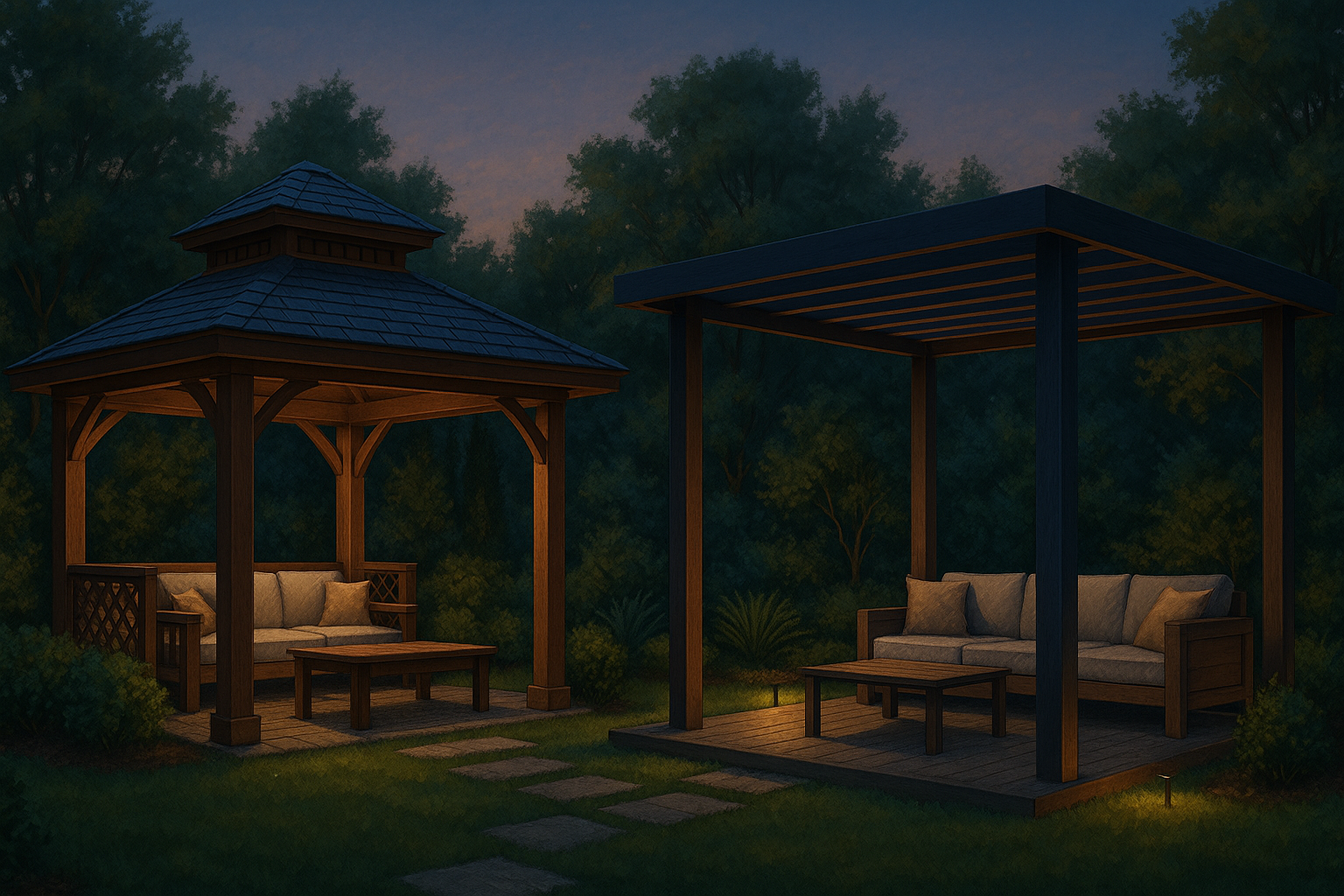
Outdoor living continues to be one of the biggest home improvement trends of 2025. Homeowners across Toronto and the GTA are transforming their backyards into functional, stylish outdoor living spaces with gazebos and pergolas leading the way. These structures add shade, structure, and serious visual appeal while creating a defined space for entertaining, dining, or relaxing.
While today’s gazebo and pergola kits are more advanced and better engineered than ever, assembly is still a major undertaking. Many homeowners underestimate the time, tools, preparation, and technical precision required to complete these builds properly. In this guide, we break down the top gazebo and pergola kit trends for 2025 and exactly what to expect during assembly.
Gazebos vs Pergolas: What Is the Difference
Before choosing a kit, it is important to understand the functional difference between a gazebo and a pergola.
A gazebo is a fully roofed structure that offers complete overhead protection from sun and rain. It usually has a solid roof made from steel, aluminum, polycarbonate, or wood, making it ideal for all weather use. Gazebos often include mosquito netting, privacy curtains, and sometimes hard panel walls.
A pergola is an open or partially shaded structure with slatted or louvered roofing. It provides shade from direct sunlight but allows airflow and natural light through the top. Many modern pergolas now include adjustable louvers or retractable canopies.
Both structures require solid anchoring and precise leveling. The difference is mainly in roofing complexity and weather protection.
Top Gazebo Kit Trends for 2025
Gazebo kits in 2025 focus heavily on durability, modern design, and improved weather resistance. Homeowners are choosing larger, stronger structures designed for year round outdoor use.
Steel and Aluminum Hardtop Gazebos
These remain the most popular option due to their durability in Canadian weather. Hardtop gazebos feature galvanized steel or aluminum roofs that handle snow loads and high winds much better than fabric options.
Cedar Wood Gazebos
Cedar remains a premium material for homeowners looking for natural aesthetics. These kits offer beautiful finishes but require additional sealing and long term maintenance to protect against moisture and UV exposure.
Integrated Lighting and Electrical Channels
Many new kits are designed with built in electrical chases for lighting, ceiling fans, and heaters. While this adds flexibility, it increases assembly complexity and time.
Curtains and Mosquito Net Systems
Almost all premium gazebos now include dual curtain and netting tracks which must be installed perfectly straight for smooth operation.
Top Pergola Kit Trends for 2025
Pergolas have evolved dramatically in recent years and now offer much more than open shade.
Adjustable Louvered Pergolas
These are among the most popular pergolas in 2025. The motorized or manual louver systems allow full sun, partial shade, or rain protection by rotating the roof blades. Assembly involves mechanical alignment, drainage channel setup, and precision leveling.
Retractable Canopy Pergolas
Fabric canopy pergolas remain popular for smaller patios and detached installations. While easier to assemble structurally, the canopy tension system can be tricky and time consuming to dial in correctly.
Modern Aluminum Pergolas
Powder coated aluminum pergolas are lightweight but require precise anchoring to prevent vibration and movement. Many come with integrated drainage inside the posts, which must be properly aligned during assembly.
Vinyl Pergolas
These are lower maintenance but are less rigid than aluminum or wood. They often require additional bracing during installation and careful anchoring to prevent sway.
What Assembly Really Looks Like in 2025
Most homeowners expect a gazebo or pergola to be a simple weekend project. The reality is far more complex.
Typical Assembly Time
Small pergolas can take 3 to 5 hours with two experienced installers. Larger pergolas may take 6 to 10 hours. Full size gazebos often require 8 to 16 hours over one or two days depending on size and site conditions.
Crew Size
While many kits advertise two person assembly, large structures realistically require three to five people for safe lifting, roof placement, and final anchoring.
Tools Required
In addition to basic tools, most large kits require impact drivers, laser levels, rotary hammers for concrete, step ladders, socket sets, and sometimes core drilling equipment.
Precision Is Critical
Posts must be plumb to within millimeter tolerances. A small error at the base becomes a major alignment issue when the roof is installed. Doors, louvers, curtains, and drainage systems all depend on perfect squareness.
Site Preparation Is the Most Critical Step
The number one reason gazebo and pergola installations fail is improper site preparation.
Concrete Slabs
The most stable surface and the preferred option for permanent installations. Anchoring into concrete requires heavy duty wedge anchors or concrete fasteners.
Paver Patios
Pavers must be installed on a compacted gravel base. Surface anchoring must be tied into the base structure beneath the pavers.
Deck Installations
Deck framing must be structurally capable of supporting vertical loads and wind forces. Many decks require additional blocking before installation.
Grass or Soil Installations
These require ground anchors or poured concrete footings beneath each post. Skipping this step leads to shifting, leaning, and eventual failure.
Leveling
Even a half inch height difference between posts can cause roof binding, improper drainage, and premature hardware wear.
Permit Considerations in Ontario
In Ontario, most municipalities require a building permit for gazebos and pergolas that exceed certain size thresholds or include electrical or plumbing components.
Many structures larger than 10 to 15 square meters require permits. Any structure with built in electrical, heaters, or solid roof systems may also require inspection approval. Zoning setbacks, property line distances, and lot coverage rules must also be followed.
Failing to obtain a required permit can result in fines, forced removal, or problems when selling the property.
DIY Assembly vs Professional Installation
DIY Assembly Pros
Lower upfront cost
Personal satisfaction
Flexible scheduling
DIY Assembly Risks
Incorrect anchoring
Structural misalignment
Improper leveling
Void manufacturer warranties
Safety hazards from heavy lifting
Electrical and permit non compliance
Professional Installation Advantages
Guaranteed correct anchoring and leveling
Proper hardware torque and alignment
Permit aware installation
Insurance protection
Faster completion
Long term structural reliability
For large gazebos and louvered pergolas, professional installation is strongly recommended. These systems involve significant weight, precision alignment, and safety risk.
Common Assembly Mistakes Homeowners Make
Building on unlevel ground
Anchoring only into surface pavers
Underestimating roof weight
Skipping sealing on cedar structures
Misaligning louver systems
Incorrect curtain track installation
Improper snow load consideration
Ignoring wind exposure orientation
These mistakes often lead to costly disassembly and reinstallation.
How Long These Structures Actually Last
With proper installation and maintenance, most premium gazebo and pergola kits last 10 to 25 years.
Aluminum and steel structures have the longest lifespan with minimal maintenance. Cedar structures require periodic resealing but can last just as long if maintained. Vinyl pergolas tend to have a shorter lifespan due to flex and UV exposure.
Correct installation is the biggest factor that determines longevity. Poor anchoring and leveling shorten lifespan dramatically.
Final Thoughts on Assembly Expectations in 2025
The gazebo and pergola kits available in 2025 are far more advanced than older generations. While they offer beautiful designs and impressive features, they also demand professional level precision during installation.
Assembly is not just about following instructions. It involves site engineering, anchoring science, load distribution, drainage management, and structural alignment.
If you are investing thousands into a premium outdoor structure, professional installation protects that investment and ensures your gazebo or pergola performs exactly as designed for many years.
