
After‑Assembly Care: Maintenance Tips to Keep Your Furniture Sturdy and New
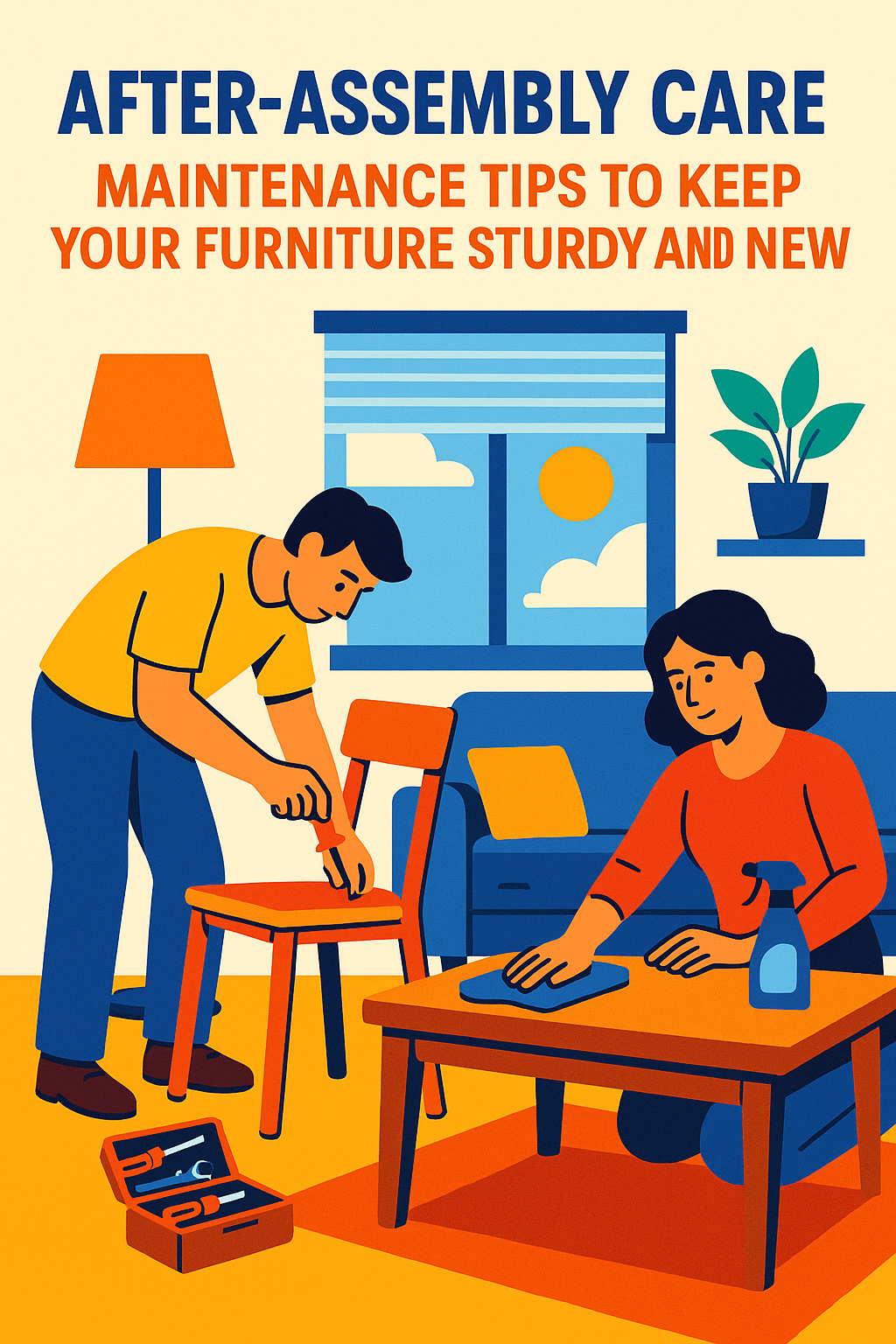
A well‑installed piece of furniture is only the first step. To ensure your shelves stay level, chairs remain solid and tables look as good as the day they were built, you need to invest a little time in after‑assembly care. Regular maintenance doesn’t just keep things looking fresh – it prevents costly repairs and extends the life of your pieces. Below are simple, actionable tips that anyone can follow.
Inspect and tighten connections regularly
Furniture hardware naturally loosens over time as you sit down, lean, rearrange items or clean. Those tiny movements put stress on joints, screws and bolts. Every few months, go through your furnishings and check:
Screws and bolts: use the appropriate screwdriver or Allen key to ensure they are snug. Loose fasteners are the leading cause of wobbly chairs and unstable tables.
Joints and fittings: pay extra attention to beds, dining chairs and frequently used tables. Movement and load can loosen joints, so tighten and realign as needed.
Wall mounts and brackets: inspect anchors on floating shelves or wall‑mounted bookcases. Overloading or not checking hardware can cause mounts to detach.
Making regular inspection part of your cleaning routine prevents small problems from turning into big safety hazards.
Clean and dust frequently
Dust and debris not only dull the finish of your furniture but also cause premature wear. Regular cleaning and dusting improves appearance and prevents surface damage. Use these techniques:
Wipe surfaces weekly: use a soft, lint‑free cloth and a mild cleaner appropriate for the material. For upholstery, vacuum with an upholstery attachment to remove dust and crumbs.
Vacuum fabrics and cushions: routine vacuuming keeps fabrics fresh and prevents dirt from embedding into fibres.
Spot‑clean spills immediately: blot (don’t rub) spills with a clean cloth to prevent stains. Follow the manufacturer’s recommendations for cleaners to avoid damage.
Regular cleaning also reduces the long‑term effects of sunlight exposure by removing dust and allergens that can contribute to fading.
Handle and move furniture with care
Scratches and dents often happen during moves or when rearranging rooms. Whenever you need to move a desk, cabinet or sofa:
Lift rather than drag: dragging can damage both the furniture and your floors. Enlist help or use lifting straps for heavier pieces.
Use sliders or dollies: for heavy items, sliders and dollies make moving easier and reduce the risk of scuffs or structural damage.
Clear your path: remove rugs, cords and other obstacles before moving furniture to prevent accidental bumps or falls.
Taking a few extra minutes to move pieces carefully protects your investment and your home.
Respect weight limits and distribute loads evenly
Shelving units, cabinets and wall mounts are designed to hold specific weight ranges. Exceeding those limits can cause shelves to sag or mounts to fail. To avoid accidents:
Know the capacity: check the product manual or labels for the maximum weight each piece can support.
Distribute weight: spread heavy items evenly across shelves rather than grouping them in one spot.
Use appropriate anchors: on drywall, use heavy‑duty wall anchors designed for the intended load. For masonry walls, choose anchors rated for concrete or brick.
Avoid overcrowding: allow space between objects to reduce strain and make it easier to clean and reorganise.
Protect against sunlight and heat
Exposure to direct sunlight can fade fabrics, weaken fibres and dry out wood. Heat sources like radiators or vents can also warp or crack materials. To keep your furniture looking new:
Install window treatments: curtains, blinds or UV‑blocking shades filter harmful rays and reduce heat build‑up.
Rearrange strategically: position sofas, chairs and tables away from direct sunlight whenever possible. Even moving pieces a few inches back from a window can reduce fading.
Use furniture covers: breathable, UV‑resistant covers add an extra layer of protection for upholstered pieces.
Apply fabric protectors: UV‑resistant sprays create a barrier against sun damage while preserving appearance.
Rotate cushions and pillows: flipping and rotating cushions distributes wear and minimises uneven fading.
Keep wood out of direct sunlight: long‑term exposure can cause wood to fade and crack, so use protective coatings or decorative items to shield surfaces.
Use protective pads and covers
Everyday activities can leave scratches and dents on tabletops, floors and chair legs. Prevent this damage by:
Attaching felt pads: place felt or rubber pads under chair and table legs to prevent scratches on flooring.
Using coasters and mats: protect wood and glass surfaces from moisture rings and heat marks by using coasters under drinks and placemats under hot dishes.
Covering sharp corners: if you have young children, use corner guards to prevent dings and injuries.
Follow manufacturer cleaning instructions and use proper products
Different materials require different care. Using the wrong product can cause fading, staining or corrosion. Always:
Read the manual: manufacturers often include specific cleaning recommendations for wood, metal, glass, laminate and upholstery.
Avoid harsh chemicals: abrasive cleaners and solvents can strip finishes, dull surfaces or damage coatings.
Choose gentle cleaners: mild detergent, water and soft cloths are safe for most surfaces. For fabrics, use cleaners designed for upholstery and test on an inconspicuous area first.
Following these guidelines preserves the integrity of your furniture and keeps it looking its best.
Inspect, adjust and seek professional help when needed
Regular inspection catches issues early. Look for wobbly legs, squeaky joints, misaligned doors or drawers that no longer slide smoothly. If something seems off:
Tighten and adjust: minor tweaks often fix the problem. Tighten hardware, lubricate moving parts and realign components.
Call a professional: if you notice cracks, structural damage or persistent instability, schedule a professional inspection. Expert installers can adjust and repair furniture before small issues become hazardous.
Regular maintenance not only protects your investment but also ensures the safety of everyone using the furniture.
Final thoughts
Good maintenance doesn’t have to be complicated. By dedicating a little time to inspecting, cleaning and protecting your furniture, you’ll enjoy sturdy, beautiful pieces for years. Whether you’ve just had your new dining table assembled or your home office setup completed, following these after‑assembly care tips will keep everything looking and feeling like new.
Need help assembling or adjusting your furniture? 6ix Assembly offers professional setup and follow‑up services across the GTA. Get in touch to schedule a consultation and keep your home furnishings in top condition.
