
Furniture Assembly for Seniors: Making Home Setups Safe and Easy
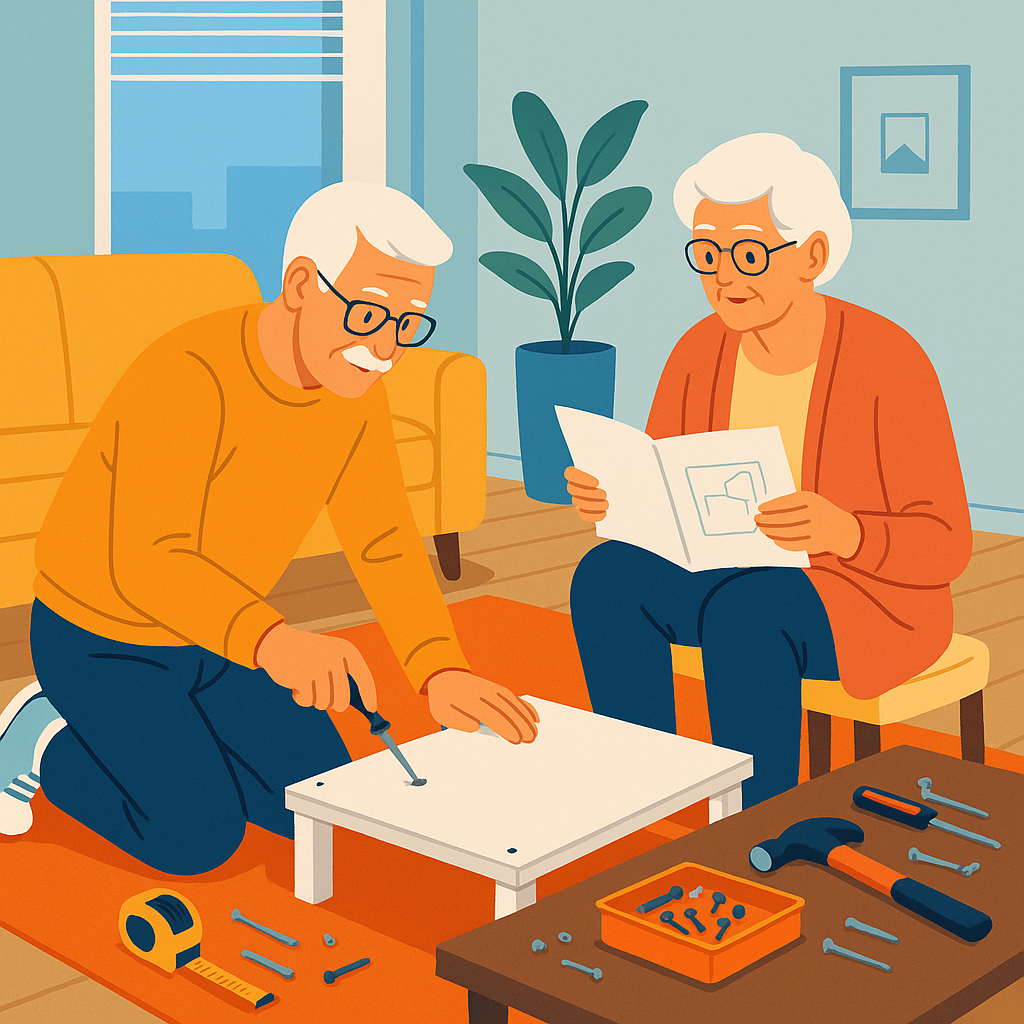
As more older adults choose to live independently, being able to assemble and adapt household furniture becomes increasingly important. Proper setup enables seniors to enjoy comfortable, functional living spaces, but it also introduces unique safety considerations. Heavy pieces, unfamiliar instructions and limited mobility can turn a seemingly simple project into a potential hazard. This long‑form guide discusses how to select appropriate furniture, prepare for assembly, and implement practical strategies to make furniture assembly safe and easy for seniors.
Why Senior‑Friendly Furniture Matters
Not all furniture is created equal when it comes to senior comfort and safety. Pieces designed for younger adults may be too low or unstable, making it difficult to sit down and stand up. For seniors, stability is critical; wobbly chairs or shelving units can cause falls or tip‑over accidents. Choosing furniture with a proper seat height allows feet to rest firmly on the floor and prevents knees from bending too deeply. High arms on chairs and sofas offer leverage when standing up and provide secure balance. Lightweight dining chairs are easier to pull out and push in, minimizing strain on muscles and joints. Adequate clearance around furniture is also essential so mobility aids such as walkers or wheelchairs can navigate safely. Additionally, using non‑slip mats or pads under furniture legs and area rugs prevents sliding and tripping. Comfortable seating with proper cushioning and back support reduces fatigue and encourages proper posture.
Selecting the Right Pieces
When furnishing a senior’s home, look for pieces that combine stability, comfort and flexibility. Adjustable‑height chairs, sofas and beds allow users to customize seat height to their changing needs. Modular furniture with detachable armrests or footrests can accommodate mobility aids and make transfers easier. Lightweight materials, such as aluminum frames for dining chairs, reduce effort when moving pieces for cleaning or social gatherings. Choose tables and desks with rounded corners to reduce injury risk and ensure surfaces are free of sharp edges. When selecting storage units, avoid tall and narrow cabinets that can become top‑heavy; instead, opt for low, wide units. New federal regulations require clothing storage furniture manufactured after September 2023 to include wall anchors, so be sure to use them properly to prevent tip‑overs.
Planning and Preparing for Assembly
A safe assembly process begins with careful preparation. Start by unpacking all parts and laying them out on a clean, level surface. Sort hardware into labeled containers to keep small pieces organized. Review the instruction manual thoroughly before beginning; diagrams often use universal symbols and varying line weights to indicate different steps. Experienced assemblers scan instructions ahead of time to mentally map the sequence and identify complex steps. Doing so reduces mistakes and allows you to set aside extra time for tricky stages. Make sure the assembly area is well lit, with plenty of room to maneuver. Remove tripping hazards, secure loose rugs and clear walkways. If necessary, work in a room with non‑slip flooring or place non‑slip pads under furniture legs to prevent movement during assembly.
Gather the appropriate tools in advance. Basic tools include flat‑head and Phillips screwdrivers, an Allen (hex) wrench set, a measuring tape, a rubber mallet and a spirit level. For larger projects, a cordless drill with adjustable torque can speed up the process, but be cautious not to overtighten hardware. A sturdy chair or workbench allows you to work comfortably, reducing back strain and bending. When lifting heavy panels, use proper body mechanics: keep the back straight, bend at the knees and lift with your legs. If an item is too heavy to handle alone, enlist help from family members or professional assemblers.
Safe Assembly Practices
During assembly, maintain a methodical pace and prioritize accuracy over speed. Follow instructions step by step, double‑checking that screws and bolts align correctly before tightening. Keeping hardware loose until multiple parts are assembled can make adjustments easier. Ensure that structural pieces are square and level using a spirit level; even small misalignments can cause instability or difficulty fitting later components. Take breaks to avoid fatigue and maintain focus. An ergonomic chair and good lighting reduce eye strain and physical discomfort. When working with seniors, assign tasks appropriate to their abilities—aligning smaller parts or handing screws—while younger or more mobile helpers tackle heavy lifting or kneeling.
Managing Heavy Items and Tip‑Overs
Many injuries occur when heavy furniture tips over or collapses. The National Council on Aging reports rising rates of tip‑over injuries among older adults and emphasizes that proper anchoring is the only reliable prevention. If the product includes safety straps or brackets, use them to secure the item to a wall. Metal L‑brackets are recommended over plastic or adhesive anchors. Secure anchors into wall studs using appropriate screws, and ensure you are fastening into solid wood on the furniture. If studs are not available, use appropriate drywall or masonry anchors rated for the weight. When in doubt, hire a professional to complete this step. Avoid placing heavy items on top shelves, and discourage using open drawers or shelves as steps or handholds. Once assembly is complete, inspect the piece for wobble or uneven legs and adjust as necessary.
Creating a Safe Environment After Assembly
A well‑assembled piece is only part of a safe environment. Declutter the room to provide clear paths around furniture, especially if wheelchairs, walkers or canes are used. Secure carpets with non‑slip mats or tape and remove loose rugs that could trip someone. Install adequate lighting—overhead fixtures, under‑cabinet lights or motion‑activated nightlights—to improve visibility. Regularly inspect furniture for signs of wear or damage. Tighten loose screws, replace worn pads and check that anchors remain secure. Over time, seats can sag, and joints may weaken; addressing these issues promptly helps prevent accidents. Consider adding grab bars or rails near frequently used chairs to assist with standing and sitting.
When to Call in Professionals
While many furniture kits are designed for amateur assembly, seniors may benefit from hiring a professional assembly service, particularly for large or complex items. Professionals bring experience, specialized tools and the ability to ensure precise alignment and secure anchoring. They can also assist with heavy lifting and adjust furniture height or configuration to suit individual needs. If electrical or structural modifications are required—such as mounting a cabinet on drywall or anchoring into masonry—professional expertise is recommended. Additionally, if the assembly instructions appear confusing or if physical limitations make the process challenging, hiring a professional reduces stress and ensures safety.
Conclusion
Furniture assembly can empower seniors by making homes more comfortable and accessible. With thoughtful planning, appropriate furniture selection and careful attention to safety, older adults can enjoy functional and stylish living spaces without undue risk. Choose stable, senior‑friendly furniture, prepare your workspace and tools, follow instructions meticulously and use proper anchoring techniques. Keep pathways clear, ensure good lighting and maintain furniture regularly. Don’t hesitate to ask for help or hire a professional when needed. A safe, well‑assembled home supports independence and peace of mind for seniors and their families.
